+233 24 723 7781
About The Region

History of the Province of Ghana-Liberia

The Franciscan Missionaries of Mary in the Divine Providence Region continue a story that began in Liberia in 1936 and in Ghana in 1939, serving through prayer, evangelization, healthcare, education, and social outreach.

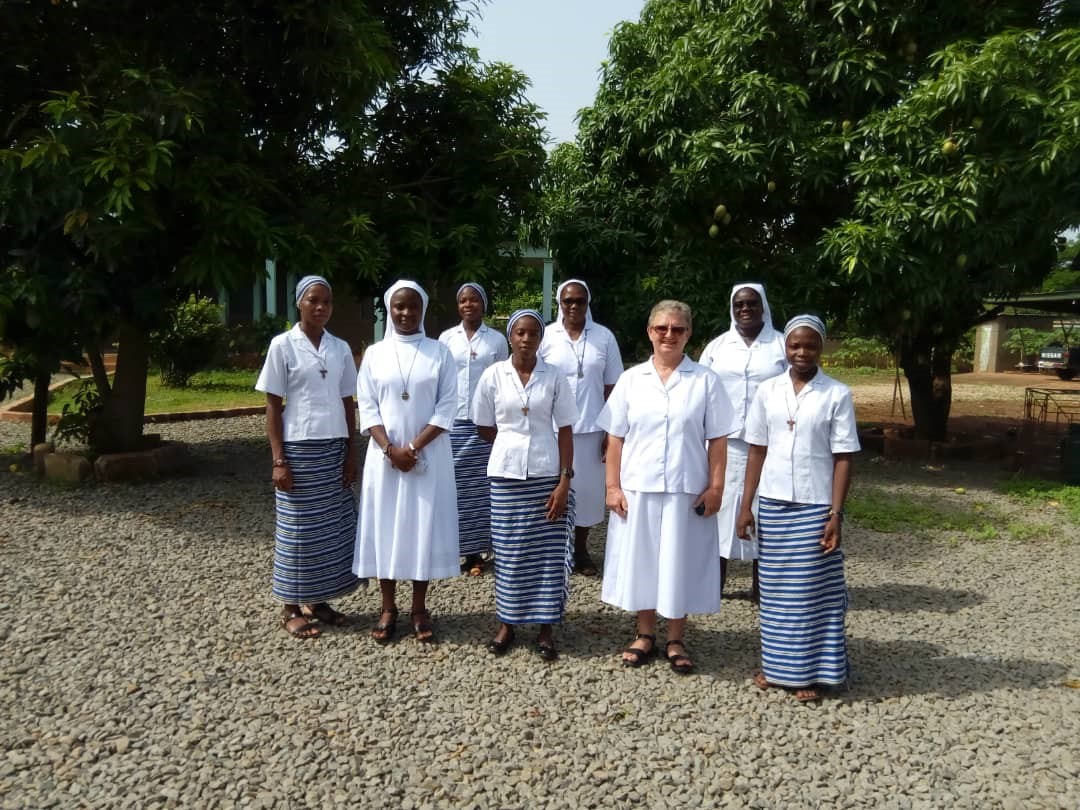
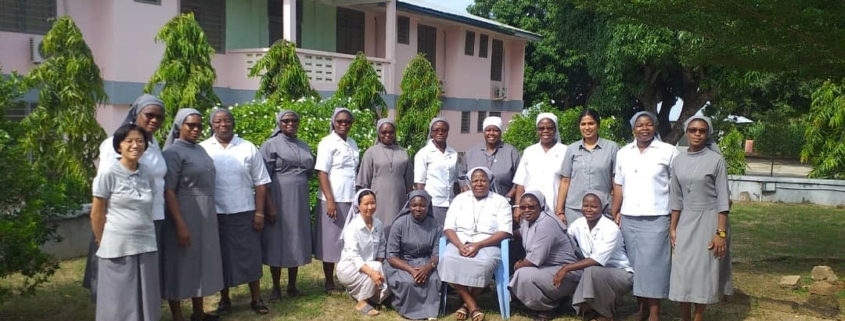
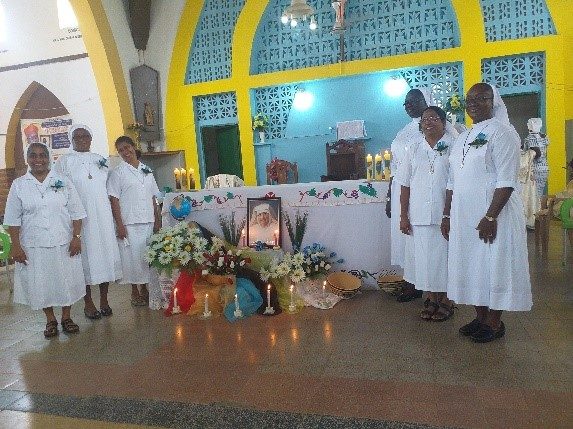
FMM sisters gathered in community
Members of the province together outdoors
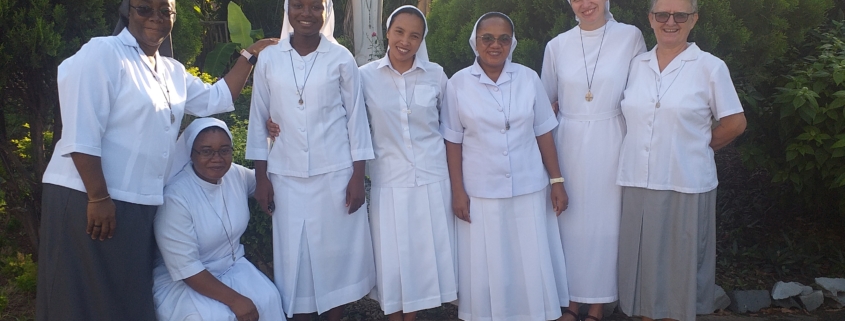
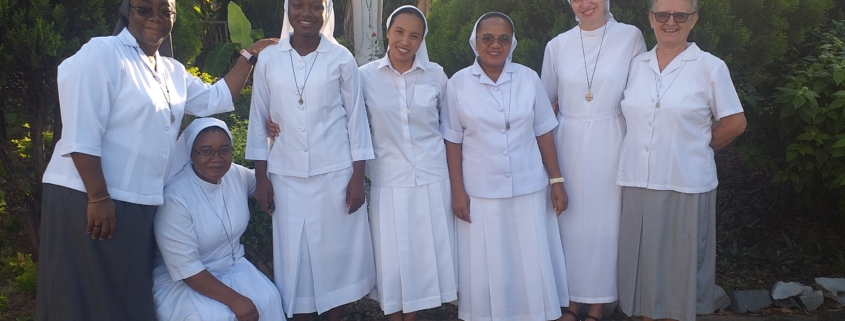
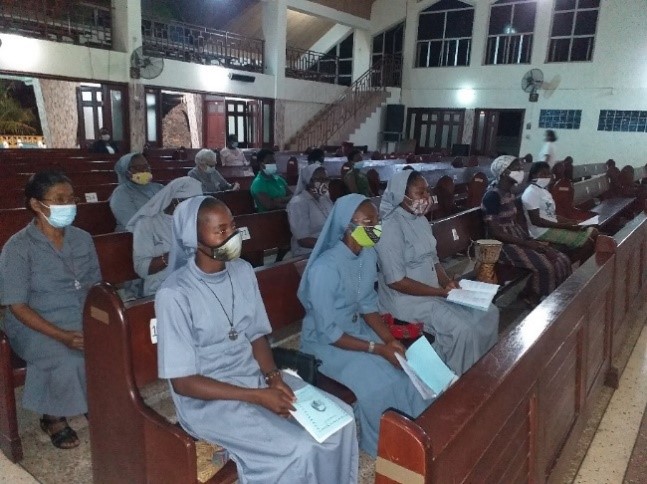
Community life in the province
Province Snapshot

A missionary presence shaped by faith and service

From humble convent beginnings near the Atlantic in Monrovia to expanding apostolates across Ghana and Liberia, the province has grown through courageous witness and practical care for God's people.

1936 Missionaries arrived first in Liberia.
1939 The Jirapa foundation began in Ghana.
15 Communities serve across the province.
97 Sisters serve in pastoral, medical, educational, and social ministries.
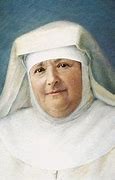
Bl. Mary of the Passion, foundress of FMM
Foundress

Bl. Mary of the Passion

Her missionary spirit shaped the charism that continues to guide the Franciscan Missionaries of Mary in the Divine Providence Region.

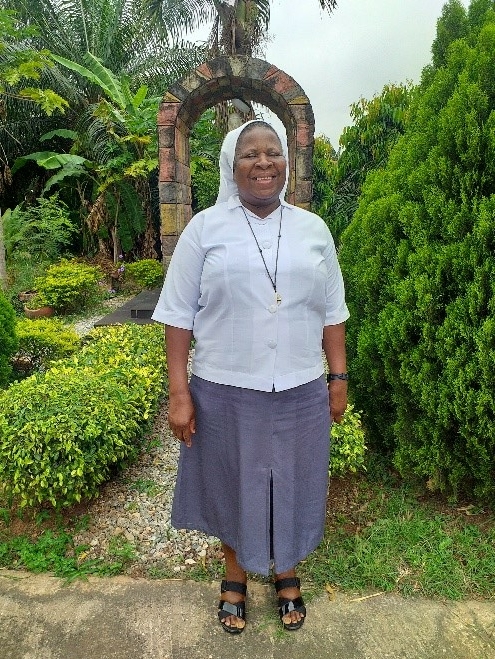
Sr. Sebastiana Bekyane, Provincial Superior
Leadership

Sr. Sebastiana Bekyane

The current provincial leadership continues the same missionary tradition with attention to prayer, accompaniment, and service.

1936

Liberia foundation

The Province of Ghana-Liberia was created in 1936 and 1939 respectively. The missionaries arrived first in Liberia in 1936 and to Ghana in 1939. In Liberia the FMM were invited by Fr. Michael Collins, a General Councillor of the Society of Africa Missions. He wrote a letter to the Superior General asking for sisters to come and work among the sick, young girls and women in Liberia and also to run a small dispensary.

Six sisters were assigned to Monrovia and arrived on the 9th of December, 1936: Althryda, M. Patern, M. Basien, M. Cornelius, M. Fergus and Respicius. During Fr. John Collins' term of office, he begged for funds from the United States to build the first convent in Liberia for the sisters. Bishop Collins offered them a large building that was still only a shell, with no windows, doors, or internal partitions, yet their joy was complete because the Blessed Sacrament awaited them in those humble beginnings and their ministry started immediately with a patient already on the doorstep.
Bl. Mary of the Passion, foundress of FMM
Bl. Mary of the Passion, Foundress of FMM
Encouragement In Mission

Apostolate in Monrovia

The Bishop proceeded to the convent to install the sisters in their home, and the journey was difficult because there were no roads in the vicinity. He remained grateful for their mission and, whenever he celebrated Mass in the convent, he encouraged the sisters as they began their apostolate among the people of God in Liberia.

This early phase of the mission reveals the province's defining pattern: prayer at the center, practical courage in difficult conditions, and steady service to the people entrusted to them.

Sr. Sebastiana Bekyane, Provincial Superior
1939

Jirapa foundation in Ghana

Another group of FMMs arrived in Jirapa on the 13th of May, 1939 and began the foundation of the Our Lady of the Passion convent in Jirapa. They were sisters M. du Precurseur de Jesus (Jeanne Bartholomew), superior with jurisdiction over the house at Dissin in Burkina Faso, accompanied by M. of St. Wynnin (Catherine Mehugh), M. de St. Caltry (Therese Belzile), M. of St. Canice (Teresa Mugovan), M. Blane (Edith Clay) and M. of St. Conran (Annie Welsh).

The six sisters came from different nationalities including French, English, Canadian, Irish and Scottish backgrounds. Their first ministry was the dispensary, started on the 15th of May, 1939, ten years after the arrival of the White Fathers in Jirapa. They had been invited to support evangelization, nursing and education in the north-west of Ghana.

Historic ministry in Jirapa
The foundation in Jirapa, Ghana
Healthcare Mission

Care, training, and outreach

Fr. Paquet gave M. Caltry a first-class introduction to tropical diseases. M. Caltry was a registered nurse, the first of such to work in the north-west of Ghana. She soon saw that the demand for medical services was great and that, until more nurses could be sent, she would need to train local women to help her. People came from miles away to receive treatment and injections for prevalent diseases such as yaws and leprosy.

Maternity work also started immediately and grew steadily as more pregnant women came for consultations. Several small thatched huts made of mud were built in the convent compound so expectant mothers could stay while awaiting the arrival of their babies.

Historic health ministry of the sisters
Nursing and medical outreach
Growth Of The Province

Continuing the mission today

In 1941 the mud huts were replaced with a splendid brick building made up of a labour room, ward, nurse's room and an isolation room that soon became an orphanage. The sisters also took active part in educational development and pastoral works such as catechesis and women development. Even with limited infrastructure, they did their best to support the people in the society.

These mission works continue in diverse ways in the Ghana-Liberia Province in fifteen communities, three in Liberia and twelve in Ghana. The works have expanded as many indigenous sisters as well as missionaries from different countries are involved. Currently, ninety-seven sisters serve as teachers, physician assistants, nurses, pastoral and social workers, administrators, and directresses of sewing and host baking centers, while also supporting women and youth development.

Maternity and pastoral support work
Maternity, education, and pastoral care
Journey With Us

Learn more about the region's ministries and vocation

The history of the province continues through active apostolates, community life, and new women discerning the Franciscan Missionaries of Mary vocation.